
After a car crash in Tarzana or on a Valley freeway
Who takes the police report depends on where the crash happened. LAPD handles crashes on city streets like Ventura Boulevard or Reseda Boulevard. Freeway crashes on the 101 or the 405 go to the California Highway Patrol. Get the officer's name and the report number before you leave.
Read moreShow less
Get medical care right away. Providence Cedars-Sinai Tarzana Medical Center and Northridge Hospital Medical Center both serve the area. Keep every discharge sheet, bill and receipt, since those papers support the claim.
Businesses near the crash, such as shops on Ventura Boulevard, may have cameras that recorded it. That footage can be recorded over within days, so we ask for it early. At the scene, collect what you safely can:
- Photos of both cars and the street
- The other driver's license and insurance card
- Names and phone numbers of witnesses
- The report number from LAPD or CHP
How we help after a car accident in California
We take over the claim so you can focus on your recovery. Once you hire us, the insurers contact us instead of you. We gather the police report, photos, witness statements and medical records.
We also track every bill, lien and lost paycheck. When the insurer will not pay a fair amount, our litigation department files suit and prepares the case for trial. If you cannot travel, you can start your case by phone.
What to do after a car accident
Check for injuries and call 911
Move to a safe place if you can. Call 911 so police and paramedics come to the scene.
Get medical care
Get medical care right away, even if you feel fine. Follow your doctor's treatment plan.
Exchange information
Get the other driver's name, license, plate and insurance details. Do not argue about fault at the scene.
Document the scene
Photograph the vehicles, the road, traffic signals and your injuries. Ask witnesses for their names and phone numbers.
Get the report number
Ask the officer for the police report number. If anyone was hurt, you must also report the crash to the DMV within 10 days.
Notify your own insurer
Report the crash to your insurance company as your policy requires. Do not give the other driver's insurer a recorded statement.
Call a car accident lawyer
Call (213) 205-0657 for a free consultation. We start preserving evidence as soon as you hire us.
How long you have
California sets firm deadlines for these claims. Enter the date it happened to see yours.
- The day it happened
- Crash with a government vehicleWritten claim within 6 months
- Deadline to sue for injuries2 years from the crash in most cases
- Vehicle damage claims3 years in most cases
These are the general California deadlines. Some claims have different ones, for example for children or injuries found later. A lawyer can confirm yours in a free consultation.
Common types of car accidents
Common car accidents include rear-end, T-bone, head-on and sideswipe crashes, along with multi-car pileups. The type of crash often shows who was at fault. Frequent causes include phone use, speeding, drunk driving and running red lights.
How the crash happened
In a rear-end crash, the driver behind is often at fault for following too closely. In a left-turn crash, the turning driver must yield to oncoming traffic that is close enough to be a hazard.
- Rear-end crashes
- T-bone crashes at intersections
- Left-turn crashes
- Head-on crashes
- Sideswipes and unsafe lane changes
- Multi-car pileups
Who you crashed with
The other vehicle can matter as much as how the crash happened. Each kind of driver brings different insurance, and some bring several policies.
When an Uber or Lyft driver has a passenger or is on the way to pick up a rider, California requires $1 million in liability coverage. Lower limits apply when the app is on and the driver is waiting for a ride request. A driver making deliveries is often working for a company, so a commercial policy may apply.
- Uninsured and underinsured drivers
- Hit-and-run drivers
- Uber and Lyft drivers
- Delivery vans and work vehicles
- City, county and state vehicles
Who pays after a car accident in California
California is an at-fault state, so the driver who caused the crash pays for the harm through that driver's insurance. When a driver breaks a traffic law and that causes a crash, the law presumes the driver was careless.
Read moreShow less
A claim is opened with the at-fault driver's insurer, which assigns an adjuster to decide fault and value the damage. The vehicle claim is usually handled first. The injury claim is resolved once your treatment shows the full extent of your injuries.
Your own policy may also pay. Medical payments coverage helps with medical bills regardless of fault. Uninsured and underinsured motorist coverage pays when the at-fault driver has no insurance or too little. California insurers must offer this coverage, though drivers can reject it in writing.
Other people can share responsibility, and each may have separate insurance. We look for all of them.
Who may have to pay
- The at-fault driver
- The vehicle owner, if someone else was driving
- The driver's employer, if the driver was working
- A parent who signed a teen driver's license application
- Rideshare insurance, if the driver was on the app
- A city or county, for a dangerous road
- A carmaker or parts maker, for a defect
What compensation can cover after a car accident
A car accident claim can pay for your medical care, your lost income and the ways your injuries changed your daily life. California does not cap damages in car accident cases, so the insurance available is often the real limit.
Injury claim
The injury claim covers what the crash did to you. It includes future costs, not only the bills you have today. Punitive damages are possible only where the law allows them, such as some crashes caused by drunk drivers.
- Emergency care, surgery and therapy
- Future medical care
- Lost wages and earning capacity
- Pain and emotional distress
- Scarring or disability
- Loss of enjoyment of life
Property damage claim
Damage to your car is a separate claim that usually moves faster. It covers repairs, or the car's fair market value if it is a total loss. You can also seek a rental car or loss of use while you are without a car.
If the other insurer delays, your own collision coverage can fix the car sooner. Your insurer can then seek repayment from the at-fault driver's insurer. We make sure any release you sign for the car covers only the car.
Medical liens
Health insurers, Medi-Cal, Medicare and hospitals can claim repayment from your settlement. Some doctors treat crash victims on a lien and wait to be paid from the recovery. We review every lien and work to reduce it before money is paid out.
California rules that can change a car accident claim
A few California rules decide how long you have, how fault is shared and what an uninsured driver can recover. Each can change the value of your claim.
Filing deadlines
You generally have 2 years from the crash to file an injury lawsuit. Vehicle damage claims generally have 3 years. If a city, county or state vehicle hit you, or a dangerous public road caused the crash, a written government claim is usually due within 6 months.
Shared fault
California reduces your compensation by your share of fault instead of barring the claim. Insurers often argue that you were speeding or distracted so they can pay less. We answer those arguments with evidence.
Uninsured drivers and Proposition 213
If you were driving without insurance, Proposition 213 generally bars you from recovering pain and suffering (Civil Code section 3333.4). You can still recover medical bills, lost wages and other economic losses. Exceptions exist, for example when the at-fault driver is convicted of DUI.
Low insurance limits
California's minimum auto policy covers $30,000 for 1 person's injuries and $60,000 for everyone hurt in a crash. Serious injuries can cost far more. We look for every other policy that might apply, including your own underinsured motorist coverage.
Reporting the crash
California drivers must report a crash to the DMV within 10 days if anyone was hurt or property damage tops $1,000. Leaving the scene of a crash that injures someone is a crime (Vehicle Code section 20001).
How we build a car accident case
We build each case on evidence the insurer cannot easily dismiss. That starts with the police report, scene photos, vehicle damage and any video from nearby businesses or dash cameras. Some video is recorded over within days, so speed matters.
Read moreShow less
We document your injuries with medical records, bills and your doctors' opinions. When fault is disputed, we can bring in accident reconstruction engineers who study crush damage, skid marks and vehicle data. In a distracted driving case, phone records can show whether the other driver was texting.
The police report matters, but it does not decide fault. Officers usually arrive after the crash, so they rely on what drivers and witnesses tell them. We test that account against the physical evidence.
When the evidence is ready, we send a demand and negotiate. If the offer is too low, we file suit and prepare for trial.
What to say and not say to the insurance company
Give the other driver's insurer only basic facts, and let your lawyer handle everything else. You must report the crash to your own insurer and cooperate under your policy. You do not have to give the other driver's insurer a recorded statement.
An adjuster's questions can be used later to argue your injuries are minor or that you caused the crash. Avoid the following until you have talked to a lawyer.
- Recorded statements to the other driver's insurer
- Guesses about speed, distance or timing
- Apologies or statements about fault
- Saying you are fine before a doctor examines you
- Broad medical authorizations
- Early settlement checks that require a release
Talk to a car accident lawyer
A free consultation tells you what your claim involves and which deadline applies. Call (213) 205-0657 any time, in English or Spanish. You pay nothing unless we win. We meet clients in Century City, Tarzana, San Bernardino and West Covina.
For the full guide to California car accident claims, see our California Car Accident Lawyer page.
Straight answers from Ryan J. Daneshrad
Short videos from our founding attorney on the questions people ask about car accident claims.
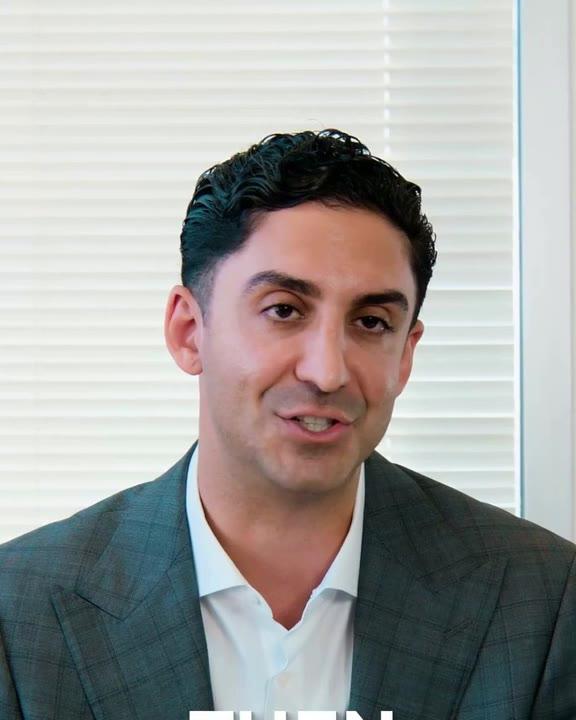 After a crashWatch Ryan J. Daneshrad answer: Do not take that call.Talk to a lawyer before the first offer.
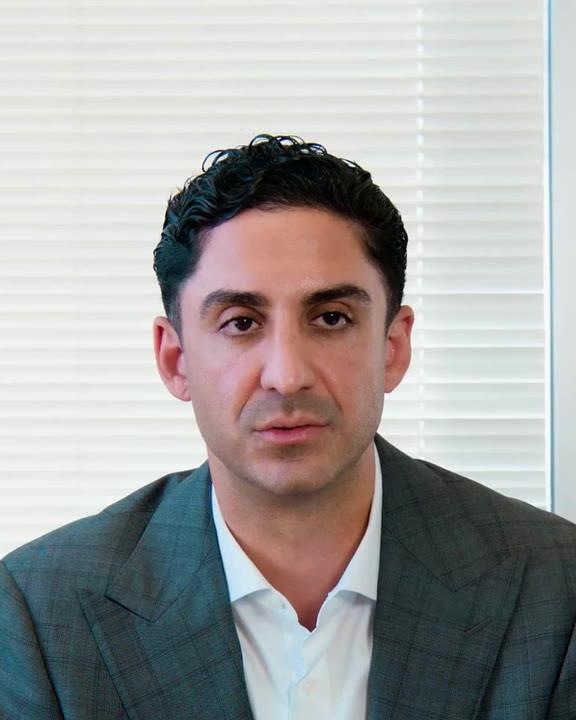 Car accidentsWatch Ryan J. Daneshrad answer: Hurt in a friend’s car?The innocent passenger rule still applies.
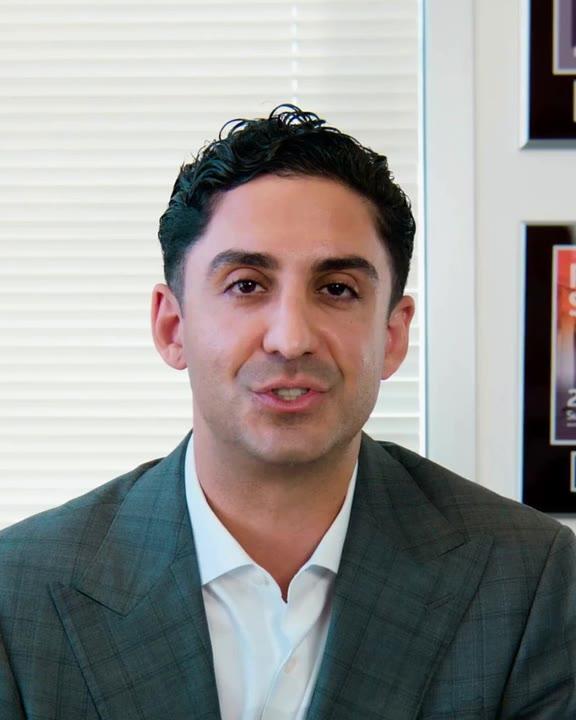 After an injuryWatch Ryan J. Daneshrad answer: Should I just take the offer?Sometimes yes. Check the insurance first.
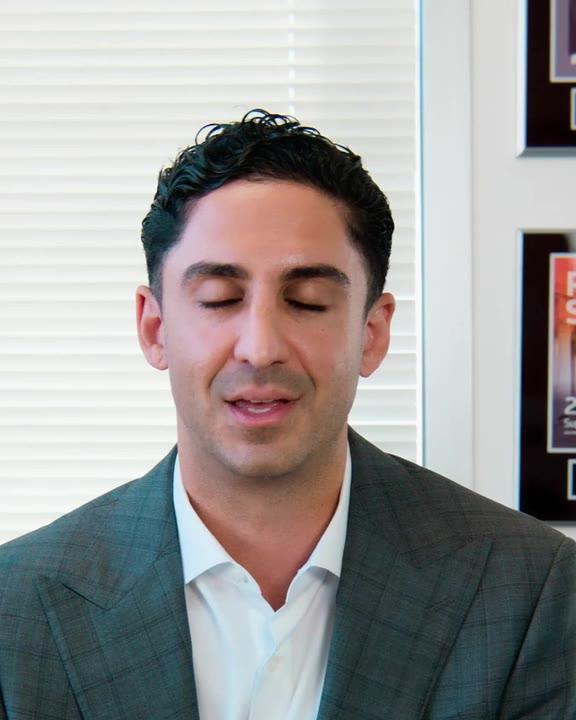 For the friendWatch Ryan J. Daneshrad answer: Be there. It counts as evidence.How to actually help after a crash.
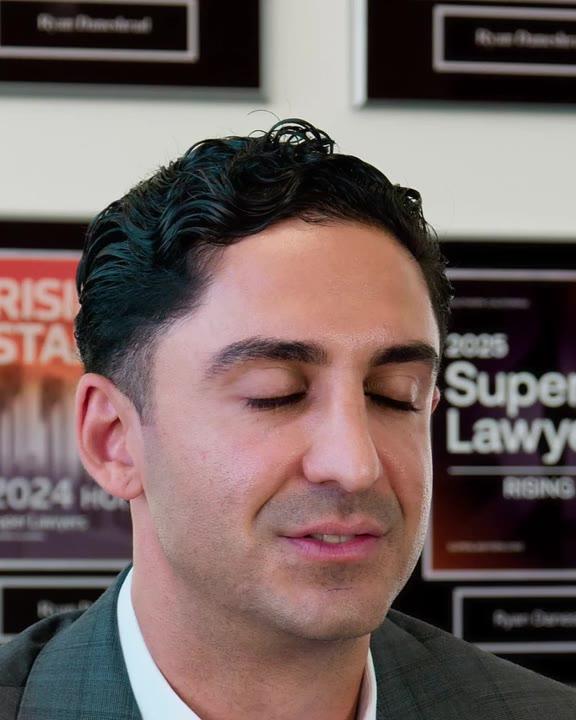 Injury law explainedWatch Ryan J. Daneshrad answer: Uninsured driver? Your policy may pay.The coverage you hope you never need.
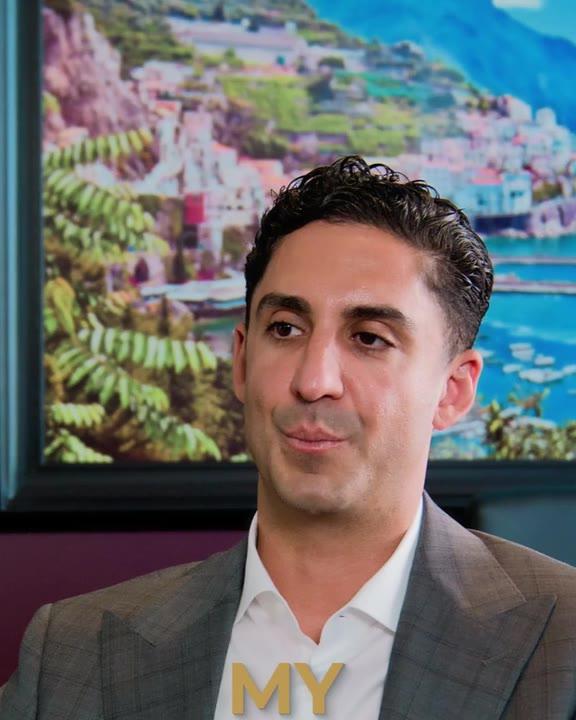 Insurance tacticsWatch Ryan J. Daneshrad answer: They denied it. Until the video.They deny clear liability all the time.
Frequently asked questions
Do you handle crashes on the 101?
Yes. We take cases from crashes on the 101, the 405 and the surface streets of the San Fernando Valley. The California Highway Patrol responds to freeway crashes, so its report is often where we start.
Can I meet with a lawyer at your Tarzana office?
Yes. Our Valley office is at 18321 Ventura Boulevard, Suite 800, Tarzana, CA 91356. Call (213) 205-0657 to set up a free consultation there.
Is California a no-fault state for car accidents?
No. California is an at-fault state, so the driver who caused the crash is responsible for the harm. That driver's liability insurance usually pays, up to its limits.
How long do I have to file a car accident claim in California?
You generally have 2 years from the crash to file a lawsuit for injuries. Vehicle damage claims generally have 3 years. If a government vehicle or a public road defect was involved, a written claim is usually due within 6 months.
Do the police decide who was at fault for a car accident?
No. The officer's report is an opinion that insurers weigh, but it does not decide fault. The insurers, and if needed a judge or jury, decide fault based on all of the evidence.
Can I recover if I was partly at fault for the crash?
Yes. California reduces your compensation by your share of fault, so being partly to blame does not end your claim. If you were 25 percent at fault, you could still recover 75 percent of your damages.
What if the driver who hit me has no insurance?
Your own uninsured motorist coverage can pay for your injuries if you have it. We also look for other sources, such as the vehicle owner's policy or an employer's policy. Disputes over uninsured motorist claims usually go to arbitration rather than court.


