
Motorcycle crashes from the 101 to Topanga Canyon Boulevard
The California Highway Patrol takes reports for motorcycle crashes on the 101 or the 405. On city streets such as Ventura Boulevard, LAPD usually does. Ask for the report number at the scene or as soon as you can.
Read moreShow less
California requires riders and passengers to wear a helmet. If a helmet was not worn, the insurer may argue it made a head injury worse. That argument affects how much the claim is worth, not whether a claim exists.
Keep your helmet, jacket and boots after the crash. Damaged gear can show where the impact landed. Photograph the motorcycle before any repairs or salvage.
How we help injured motorcycle riders
We represent riders and passengers hurt by careless drivers. We also answer the arguments insurers use against motorcyclists, which can shrink an offer before the evidence is in.
Read moreShow less
Some adjusters start from the idea that the rider was speeding or showing off. Some jurors may share that view. We counter it with evidence: the scene, the damage to the bike, video and witness accounts.
Our attorneys handle the insurance claims, the medical liens and the lawsuit if needed. You focus on healing. If you are still in the hospital, you can start your case by phone.
What to do after a motorcycle accident
Get to safety and call 911
Move away from traffic if you can. Call 911 so police and paramedics come to the scene.
Get medical care
Get medical care right away, even if you can walk. Follow your doctor's treatment plan.
Keep your gear
Do not throw away your helmet, jacket or damaged parts. They can show how the crash happened.
Photograph everything
Take photos of the bike, the other vehicle, the road surface and your injuries. Note any skid marks or debris.
Collect information
Get the driver's name, license, plate and insurance details. Ask witnesses for their phone numbers.
Hold off on repairs
Do not repair or sell the motorcycle until it has been inspected. The damage is evidence.
Watch what you say
Do not admit fault or guess about your speed. Do not give the other driver's insurer a recorded statement.
Call a motorcycle accident lawyer
Call (213) 205-0657 for a free consultation. The sooner we start, the more evidence we can preserve.
Common causes of motorcycle accidents
Many motorcycle crashes happen because a driver did not look for a rider or misjudged how fast the rider was moving. Knowing how the crash happened tells us where to look for evidence.
Left-turn crashes
A driver turning left must yield to oncoming traffic that is close enough to be a hazard. Riders are often hit when a driver turns across their path at an intersection or driveway. Insurers in these cases often claim the rider was going too fast.
Lane changes and blind spots
A driver who changes lanes without checking mirrors can force a rider into another car or off the road. This can happen in slow freeway traffic while a rider is splitting lanes.
Dooring
A driver or passenger who opens a door into traffic can throw a rider over it. California law bars opening a door on the traffic side unless it is reasonably safe to do so.
Rear-end crashes
A car that hits a stopped motorcycle from behind can push the rider into traffic or into the car ahead. These crashes often happen at red lights or in slow traffic.
Road hazards
Potholes, gravel, oil and uneven pavement can throw a bike down. A city, county or Caltrans can be responsible when it knew or should have known about a dangerous road condition and did not fix it.
Defective parts and bad repairs
A sudden brake, tire or throttle failure can point to a manufacturing defect or a faulty repair. We preserve the bike so engineers can inspect the failed part before anyone alters it.
Who can be held responsible for a motorcycle crash
The driver who caused the crash is usually responsible, but other parties can share the blame. More responsible parties can mean more insurance to cover serious injuries.
Read moreShow less
A passenger on the motorcycle can bring a claim against the other driver, the rider or both. The rider's own liability policy may cover a passenger's injuries when the rider shares the blame.
If the driver was working for a delivery company or a rideshare app, a commercial policy may also apply. We find out who the driver was working for at the time of the crash.
Who may have to pay
- The driver who turned, merged or opened a door
- The driver's employer, if the driver was working
- The owner of the other vehicle
- A city, county or Caltrans, for a dangerous road
- The maker of a defective motorcycle, tire or part
- A repair shop that did faulty work
Common motorcycle accident injuries
Common motorcycle injuries include road rash, broken bones, brain injuries and spinal cord injuries. Riders have little protection, so even a low-speed crash can cause serious harm.
Read moreShow less
These injuries can require surgery, months of therapy or time away from work. Some leave permanent scarring or disability. Your claim should account for future care, not only the bills you have today.
Photos of road rash and scarring taken over weeks of healing help show what you went through. Keep a short record of your pain, sleep and missed activities.
- Road rash and skin grafts
- Broken legs, arms, wrists and collarbones
- Pelvis and hip fractures
- Traumatic brain injuries
- Spinal cord injuries
- Facial and dental injuries
- Amputations
What compensation can cover after a motorcycle crash
Compensation can cover your medical care, lost income, damaged gear and the pain the crash caused. California does not cap these damages in motorcycle cases, so insurance limits are often the real constraint.
Read moreShow less
Your own motorcycle policy may add uninsured motorist or medical payments coverage. We check every policy that could apply before we value the claim.
For serious injuries, we may work with a life care planner who prices out future surgeries, therapy, equipment and home care. An economist can then value the earnings you lose over your working life.
A spouse or registered domestic partner can bring a separate claim for loss of companionship. When a rider dies, family members may bring a wrongful death claim.
- Emergency care, surgery and rehabilitation
- Future medical care
- Lost wages and earning capacity
- Repair or replacement of your motorcycle
- Helmet, jacket and riding gear
- Pain, emotional distress and scarring
California motorcycle laws that affect your claim
California rules on lane splitting, helmets and insurance can change the value of a motorcycle claim. Insurers raise these issues in many rider cases.
Lane splitting
California allows lane splitting, which means riding between rows of stopped or moving vehicles in the same lane (Vehicle Code section 21658.1). Because it is legal, lane splitting is not proof that the rider caused the crash.
Insurers may still argue the rider split lanes too fast for traffic. The real question is whether the rider acted reasonably. Video, witness accounts and the speed of the cars around you help answer it.
Helmet law
California requires every rider and passenger to wear a helmet that meets federal safety standards (Vehicle Code section 27803). Riding without a helmet does not end your claim.
The insurer must prove that a helmet would have prevented or reduced your specific injuries. A missing helmet has nothing to do with a broken leg or road rash.
Comparative fault
California reduces your compensation by your share of fault instead of barring the claim. Insurers often blame riders for speed, lane position or a missing helmet. Each of those arguments needs evidence, and we make the insurer prove it.
If a jury finds you 10 percent at fault for your speed, you still receive 90 percent of your damages. A larger share of fault means a larger reduction.
Deadlines
Most motorcycle injury lawsuits must be filed within 2 years of the crash. Damage to the bike generally has 3 years.
If a public vehicle or a dangerous public road played a role, a written government claim is usually due within 6 months (Government Code section 911.2). That deadline arrives long before the 2-year mark.
License and insurance
Riding without an M1 license is a separate violation, but it does not by itself prove you caused the crash. Riding without insurance is a bigger problem.
Under Proposition 213, an uninsured rider generally cannot recover pain and suffering. Medical bills and lost wages remain recoverable.
How we build a motorcycle accident case
Evidence is what overcomes bias against riders, so we build every case on it. We move quickly to preserve the motorcycle, the other vehicle and any video from nearby businesses or dash cameras.
Read moreShow less
When speed is disputed, accident reconstruction engineers can calculate it from the damage, the road marks and where each vehicle came to rest. The other car's event data recorder may show its speed and braking before impact.
Your helmet and gear tell part of the story too. Impact marks on a helmet can show how hard you hit and from which direction. Medical records, imaging and your doctors' opinions connect each injury to the crash.
We then negotiate with every insurer that may owe coverage, including your own underinsured motorist policy. If the offers are not fair, our litigation department files suit and prepares to try the case.
Talk to a motorcycle accident lawyer
A free consultation tells you where your claim stands and which deadline applies. Call (213) 205-0657 any time, in English or Spanish. You pay nothing unless we win.
For the full guide to California motorcycle accident claims, see our California Motorcycle Accident Attorney page.
Straight answers from Ryan J. Daneshrad
Short videos from our founding attorney on the questions people ask about motorcycle accident claims.
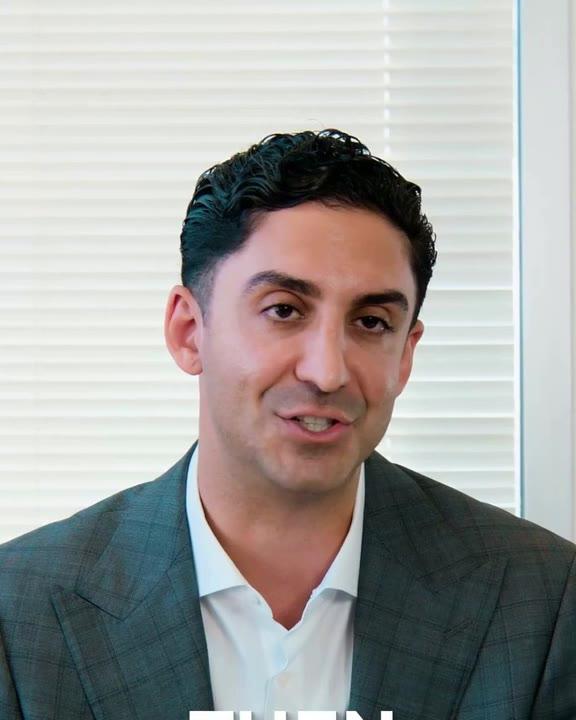 After a crashWatch Ryan J. Daneshrad answer: Do not take that call.Talk to a lawyer before the first offer.
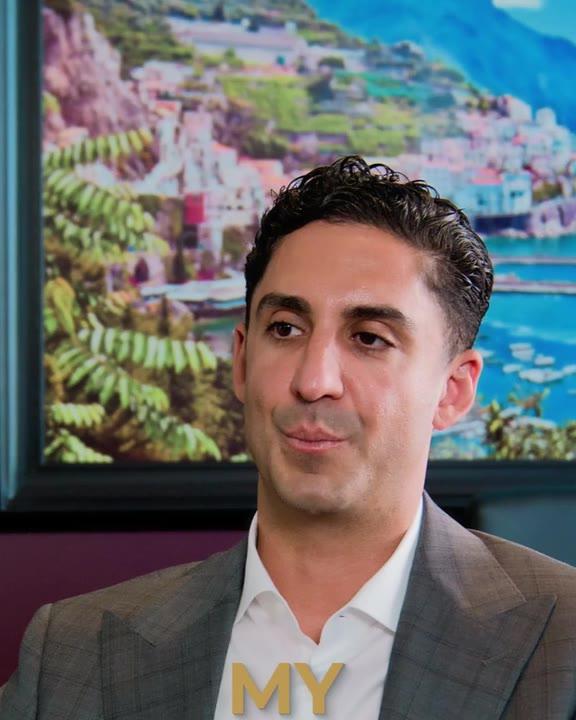 Insurance tacticsWatch Ryan J. Daneshrad answer: They denied it. Until the video.They deny clear liability all the time.
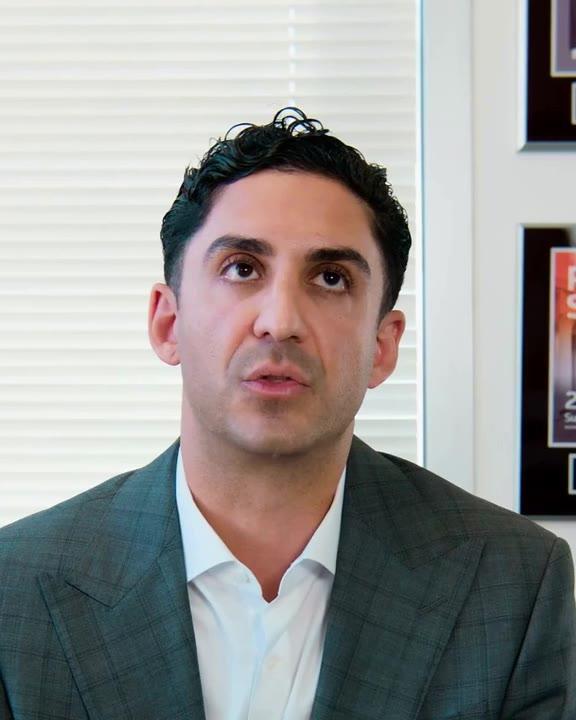 Personal injuryWatch Ryan J. Daneshrad answer: What is my case worth?The injury, the facts, and the county.
Frequently asked questions
Do you handle motorcycle crashes on Topanga Canyon Boulevard?
Yes. We handle motorcycle crashes on Topanga Canyon Boulevard, Ventura Boulevard, the 101 and other roads across the San Fernando Valley. Call (213) 205-0657 any time, day or night, to talk through yours.
Can I still bring a claim if I was splitting lanes on the 405?
Yes. Lane splitting is legal in California, so it does not by itself stop you from bringing a claim. The insurer may still argue about your speed or spacing. California's comparative fault rule can reduce a recovery by your share of fault, but it does not bar the claim.
Can I still recover if I was lane splitting when I was hit?
Yes. Lane splitting is legal in California, so it does not bar your claim. The insurer may argue you split lanes unsafely, which could reduce your recovery if the evidence supports it.
Can I file a claim if I was not wearing a helmet?
Yes. Not wearing a helmet does not bar a claim in California. The insurer can argue it should reduce your compensation, but only for injuries a helmet would have prevented or made less severe.
How long do I have to file a motorcycle accident lawsuit in California?
Most motorcycle injury lawsuits must be filed within 2 years of the crash. Damage to the motorcycle generally has 3 years. If a government vehicle or a dangerous public road played a role, a written claim is usually due within 6 months. An open insurance claim does not pause these deadlines.
Will the insurance company blame me because I ride a motorcycle?
Some adjusters do assume a rider was speeding or weaving before they look at the evidence. We answer that assumption with video, witness accounts and crash reconstruction. The evidence decides fault, not the type of vehicle you ride.
Does my spouse have a claim after my motorcycle accident?
Yes. A spouse or registered domestic partner can claim loss of consortium for the loss of companionship, affection and support your injuries cause. This claim is usually brought together with yours.


